



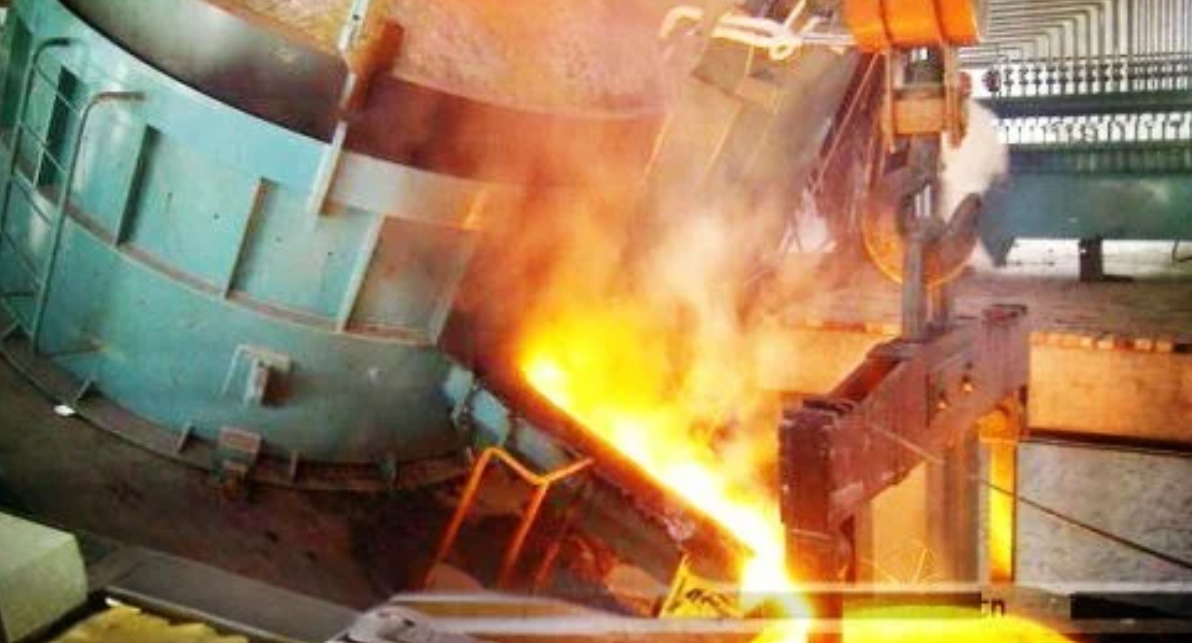
 Steel Mill Refractory
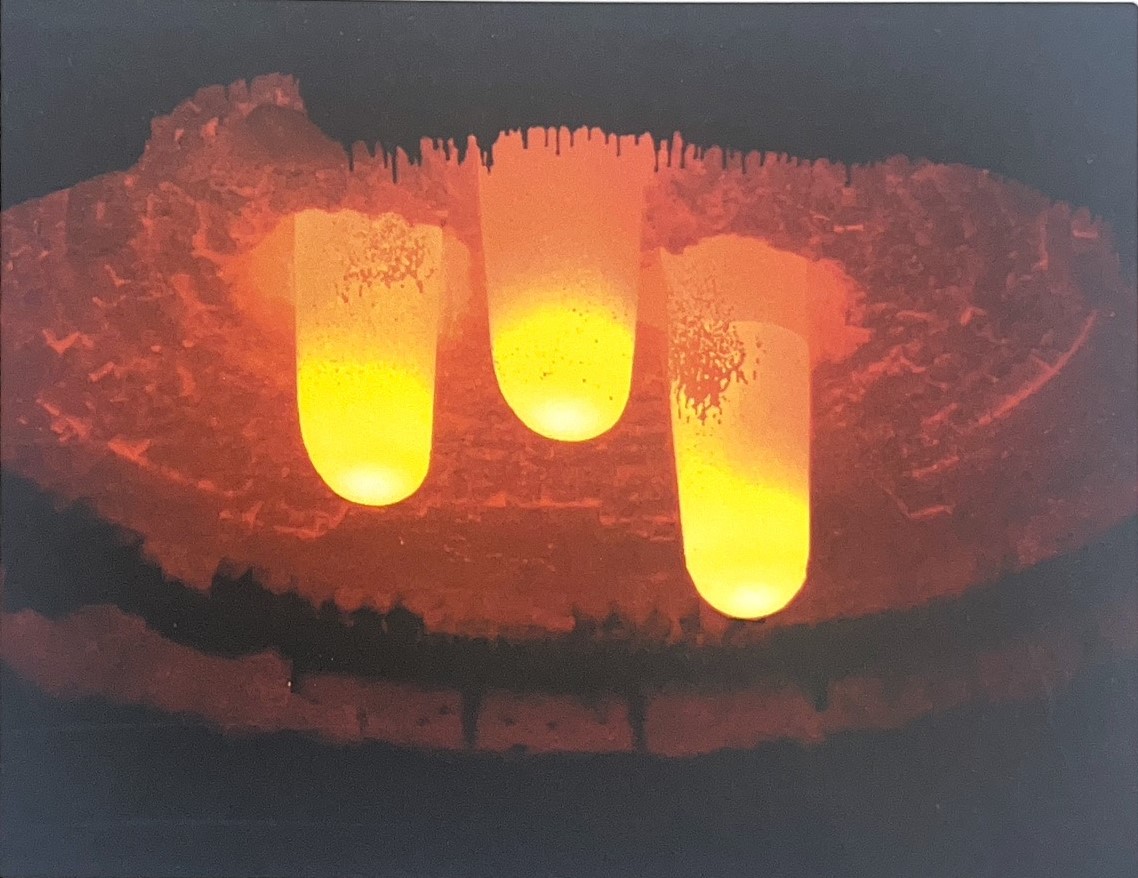 Steel Mill Consumable
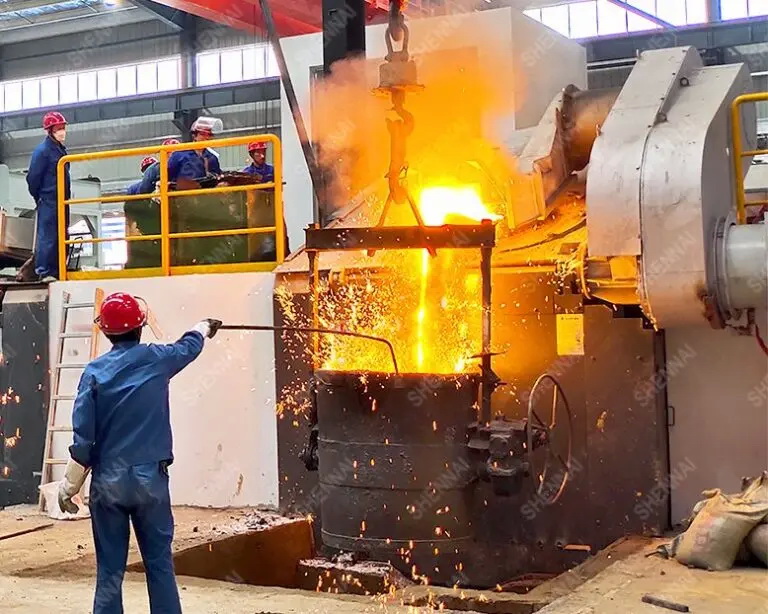 Foundry Consumable
 Steel Mill Spare Parts

INSTRUMENT PRODUCT



NEX CG II
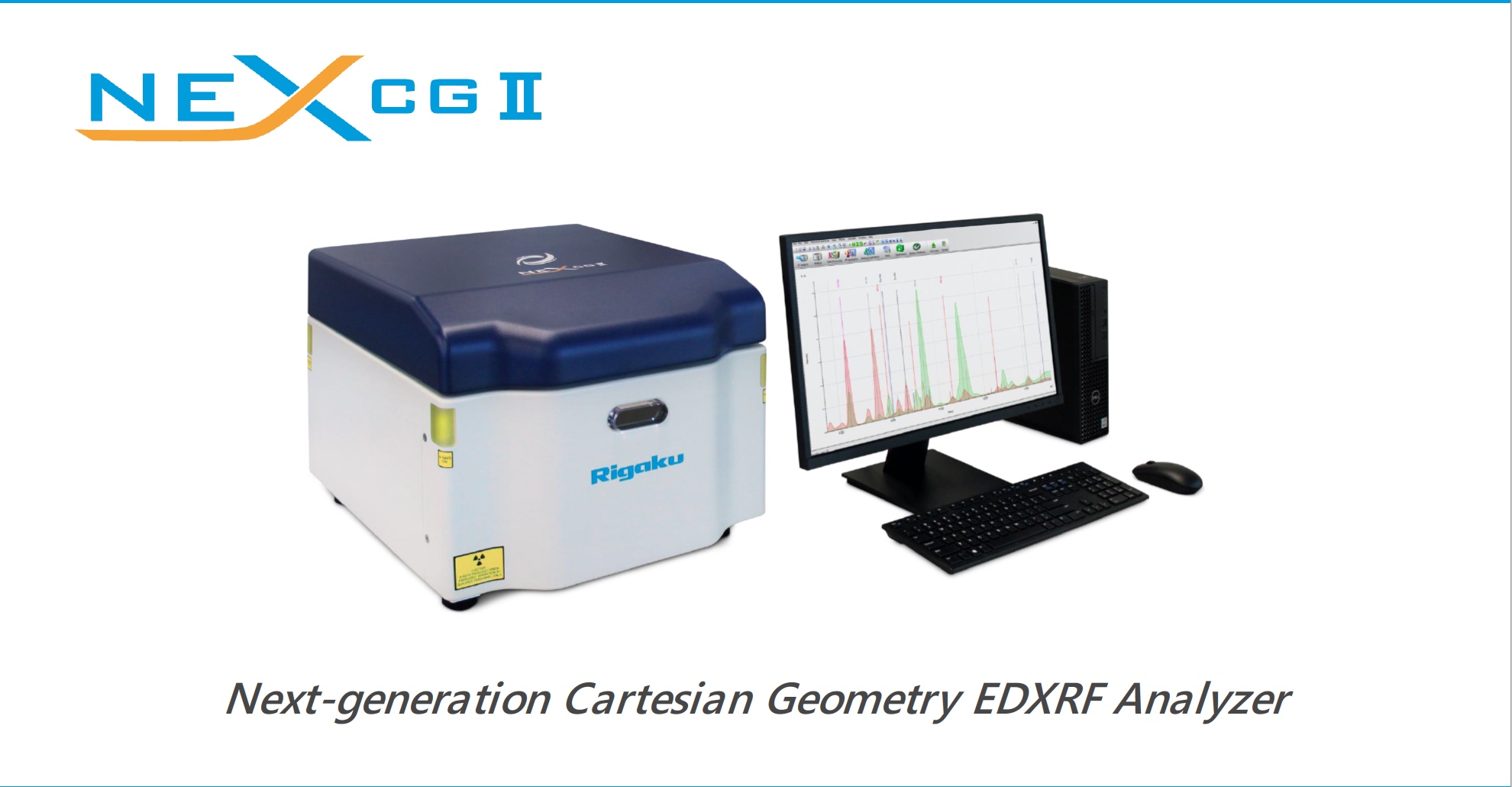

NEX CG
NEX CG - Energy Dispersive X-ray Fluorescence Spectrometer Advanced Cartesian geometry
EDXRF for rapid qualitative and quantitative elemental analysis
Rigaku NEX CG delivers rapid qualitative and quantitative determination of major and minor atomic elements in a wide variety of sample types — with minimal standards:
- Analyze ₁₁Na to ₉₂U non-destructively
- Solids, liquids, powders and thin films
- Polarized excitation for lower detection limits
- Novel treatment of peak overlap reduces errors
- ppb detection limits for aqueous samples using UltraCarry
- Simplified user interface with EZ Analysis
 |
 |
Polarized cartesian geometry for trace level sensitivity
Unlike conventional EDXRF analyzers, the NEX CG was engineered with a unique close-coupled Cartesian Geometry (CG) optical kernel that dramatically increases signal-to-noise. By using secondary target excitation, instead of convention direct excitation, sensitivity is further improved. The resulting dramatic reduction in background noise, and simultaneous increase in element peaks, result in a spectrometer capable of routine trace element analysis even in difficult sample types.

Novel software reduces the need for standards
NEX CG is powered by a new qualitative and quantitative analytical software, RPF-SQX, that features Rigaku Profile Fitting (RPF) technology. The software allows semi-quantitative analysis of almost all sample types without standards — and rigorous quantitative analysis with standards.
XRF options:
autosampler, vacuum, helium and standardless FP Options included fundamental parameters, a variety of automatic sample changers, sample spinner and helium purge or vacuum atmosphere for enhanced light element sensitivity.
Typical uses of XRF include the analysis of petroleum oils and fuel, plastic, rubber and textiles, pharmaceutical products, foodstuffs, cosmetics and body care products, fertilizers, geological materials, mining feeds, slags and tails, cement, heat-resistant materials, glass, ceramics, catalysts, wafers; the determination of coatings on paper, film, polyester; metals and alloys, glass and plastic; forensics; multi-layer thin films on silicon wafers, photovoltaics and rotating storage media as well as pollution monitoring of solid waste, effluent, cleaning fluids, pools and filters. In addition, X-ray Transmission (XRT) process gauges are employed to measure sulfur (S) in crude oil and marine bunker fuel.

XRF spectrometers are the elemental analysis tool of choice, for many applications, in that they are smaller, simpler in design and cost less to operate than other technologies like inductively coupled plasma optical emission spectroscopy (ICP-OES) and atomic absorption (AA) or atomic fluorescence (AF) spectroscopy. Examples of some common EDXRF applications are: Cement and raw meal: sulfur, iron, calcium, silicon, aluminum, magnesium, etc; Kaolin clay: titanium, iron, aluminum, silicon, etc; Granular catalysts: palladium, platinum, rhodium, ruthenium, etc; Ores: copper, tin, gold, silver, etc; Cement and mortar fillers: sulfur in ash; Gasoline, diesel and RFG: sulfur, manganese, lead, etc; Residual gas oils: sulfur, chlorine, vanadium, nickel, etc; Secondary oil: chlorine, etc; Kerosine, naphtha: sulfur, etc; Crude oil and bunker fuels: sulfur, vanadium, nickel, etc; Plating, pickling & pre-treatment baths: gold, copper, rhodium, platinum, nickel, sulfates, phosphates, chlorides, etc; Acetic acid: magnesium, cobalt and bromine; Terephthalic acid (TPA): cobalt, manganese, iron, etc; Dimethyl terephthalate (DMT): heavy metals; PVC copolymer solutions: chlorine; Photographic emulsion: silver; Clay: metals and non-metals; Waste and effluent streams: RCRA metals, chlorides, phosphates, etc; Food, pet food and other animal feed: potassium, phosphorus and chlorine; Cosmetics: zinc, titanium, calcium, manganese, iron, silicon, phosphorus, sulfur, aluminum, and sodium; Wood treatment: CCA, Penta, ACQ, ACZA, phosphorus-based fire retardants, copper naphthanate, zinc napthanate, TBTO, IPBC and combinations of these; Antacids: calcium; and Toothpaste: phosphorus and tin.
Standardless (FP) Elemental Analysis with EDXRF
Rigaku X-ray spectrometers may be used in conjunction with Fundamental Parameters (FP) software to allow for elemental quantification of completely unknown samples without standards. For example, the Rigaku NEX CG energy dispersive X-ray fluorescence analyzer is powered by a new qualitative and quantitative analytical software, RPF-SQX, that features Rigaku Profile Fitting (RPF) technology. The software allows semi-quantitative elemental analysis of almost all sample types without standards – and rigorous quantitative analysis with standards.
Featuring Rigaku’s famous Scatter FP method, the software can automatically estimate the elemental concentration of unobserved low atomic number elements (H to F) and provide appropriate corrections. RPF-SQX greatly reduces the number of required standards, for a given level of calibration fit, as compared to conventional EDXRF spectrometric analytical software. As elemental analysis standards are expensive, and can be difficult to obtain for many applications, the utility of RPF-SQX can significantly lower the cost of ownership and reduce workload requirements for routine energy dispersive X-ray fluorescence based elemental analysis.
Cartesian geometry with polarization for highest peak-to-background
Unlike conventional EDXRF analyzers, the NEX CG was engineered with a unique close-coupled Cartesian Geometry (CG) optical kernel that dramatically increases signal-to-noise. By using secondary target excitation, instead of conventional direct excitation, sensitivity is further improved.
The resulting dramatic reduction in background noise, and simultaneous increase in element peaks, results in a spectrometer capable of routine trace element analysis even in difficult sample types. Up to five polarization and secondary targets cover the complete elemental range (Na-U) with optimized sensitivity.
As illustrated in the spectral plot (left), cartesian geometry with secondary targets and polarization delivers exceptional signal-to-noise (orange spectrum) as compared to a conventional direct excitation EDXRF system (blue spectrum).
Aqueous Liquid Sample Carrier for PPB-level Trace Element Analysis
With the patented Rigaku UltraCarry, you can use your Rigaku NEX CG spectrometer to quantify trace elements in aqueous liquids down to parts-per-billion (ppb) concentration levels. Routine elemental analysis of contaminated water or industrial wastewater can now be performed without an Atomic Absorption (AA) or Inductively Coupled Plasma (ICP) spectrometer. UltraCarry based trace element analysis is suitable for use by non-technical personnel.
- Analyze a wide range of elements (11Na to 92U)
- ppb level elemental detection limits for aqueous samples
- Simple three-step process: pipette, dry and measure
- Easy-to-use EZ Analysis NEX CG user interface


EDXRF trace element analysis only from Rigaku
UltraCarry is a novel disposable (single-use) sample retainer for X-ray fluorescence (XRF) analysis that is used to preconcentrate a liquid sample into an uniform sample carrier that is optimized for the suppression of background noise. This approach dramatically improves the signal-to-noise ratio, resulting in almost three orders of magnitude improvement in the Lower Limit of Detection (LLD or LOD) and Limit of Quantification (LOQ) for heavy elements.
The UltraCarry sample retainer comprises a ring-shaped support fitted with a X-ray transmissive hydrophobic film and central liquid absorbent element pad. For routine analysis using UltraCarry, a recommended vacuum dryer apparatus — Rigaku UltraDry — is available as an XRF accessory.
| Technical details | Applications |
| Excitation: | 1.ซัลเฟอร์ (S) ในนำ้มัน ตามมาตรฐาน ASTM |
| - X-ray tube with Pd anode | D4294, IP 336, ISO 8745, ISO 20847, |
| - 50W max power, 50kV max voltage | JIS 2541-4, ISO 13032, ASTM D7220, |
| - Four standard polarization and secondary targets depending | EPA ULSD, EPA Tier 3 |
| on application,for optimun excitation | 2. ตะกั่ว (Pb) ในนำ้มันเบนซีน ตามมาตรฐาน |
| - Optional fifth target for optimal excitation of Na and Mg | ASTM -D5059 |
| Detector: | 3. คลอรีนในนำ้มันดิบ- ASTM D4929 |
| - High performance SDD, Peltier electronic cooling | 4. นำ้มันหล่อลื่น ตามมาตรฐาน ASTM D6481, |
| - Large active detection area | ASTM 7751 |
| - Optimum balance of spectral resolution and high count rate | 5. การรักษาไม้ |
| Sample Chamber: | 6. สารที่ไม่ติดไฟในสิ่งทอ เช่น ฟอสฟอรัส (P) |
| - Large 38 cm diameter x 10 cm deep sample chamber | 7. ความหนาชั้นเคลือบซิลิโคนบนกระดาษ/พลาสติก |
| for bulk samples | 8. RoHS |
| - 15-position automatic sample changer (32mm sample cups) | 9. ซีเมนต์ รวมถึง ASTM C114 |
| - 10-position automatic sample changer (35-40mm sample | 10. ความหนาชั้นเคลือบ |
| cup and pelletes) | 11. เหมืองแร่ และ การกลั่นนำ้มั้น |
| - 9-position automatic sample changer with sample spinner | 12. โลหะและอัลลอยต์ต่างๆ |
| - Analysis in air, helium purge, or vacuum | 13. สีและพิกเมนต์ |
| Environmental: | 14. การศึกษา |
| - Ambient temperature 18-28ºC (65-82ºF) | 15. ตัวเร่งปฏิกริยา |
| - Relative humidity ≤75% | |
| Computer | |
| - External PC computer system | |
| Software and Application Packages | |
| - Menu-based software for control of spectrometer functions | |
| and data analysis | |
| Application templates: | |
| - Simple flow bar wizard to create your own methods | |
| - RPF-SQX FP for qualitative and quantitative analysis | |
| - Matching Library for augmentation of FP | |
| - Automatic spectral overlap deconvolution | |
| - Empirical calibration with overlap and matrix compensation | |
| Single phase AC 100/220V, 15/7A (50/60 Hz) | |
| Dimensions: 60(W) X 60(D) X 40(H) cm (23.6 X 23.6 X 15.7 inch) | |
| Weight: 80 kg (176 lbs) |
 MSI TechnologiesThailand
140/13 หมู่ 12 ถ.กิ่งแก้ว ต.ราชาเทวะ อ.บางพลี สมุทรปราการ 10540
MSI Established in early 2003 and Incorporated in Jan 2004, MSITECH is a young but leading supplier of Scientific Instruments, Heavy Machinery/Spare Parts and various Consumable for the Metal Industries.
 Office/Timeจันทร์ - ศุกร์ 8.30-17.30
 Sales
Sales
 Facebook: MSITech facebook
  LINE: @390slsqm
 Copyright © 2026-2027